

Scaling paid media in the UK has never been more competitive, and the infrastructure you run your campaigns on matters as much as the creative you put in front of audiences. For performance marketers dealing with disabled accounts, frustrating spending caps, or painfully slow recovery windows, agency ad accounts have moved from a niche workaround to a serious operational consideration.
The problem is that the market has grown faster than the information available to buyers. Providers make broadly similar promises, pricing varies wildly from £299 to over £3,000 per month, and the differences that actually matter are buried in contract terms and support structures most marketers never examine before signing.
This guide is built to change that. You will find a clear breakdown of what agency ad accounts genuinely include, how Meta and Facebook-specific services work in practice, what drives the cost differences between providers, and a structured eight-point evaluation framework to compare options on substance rather than sales copy. Whether you are considering your first agency account or looking to switch providers, this is the reference you need to make the decision confidently.
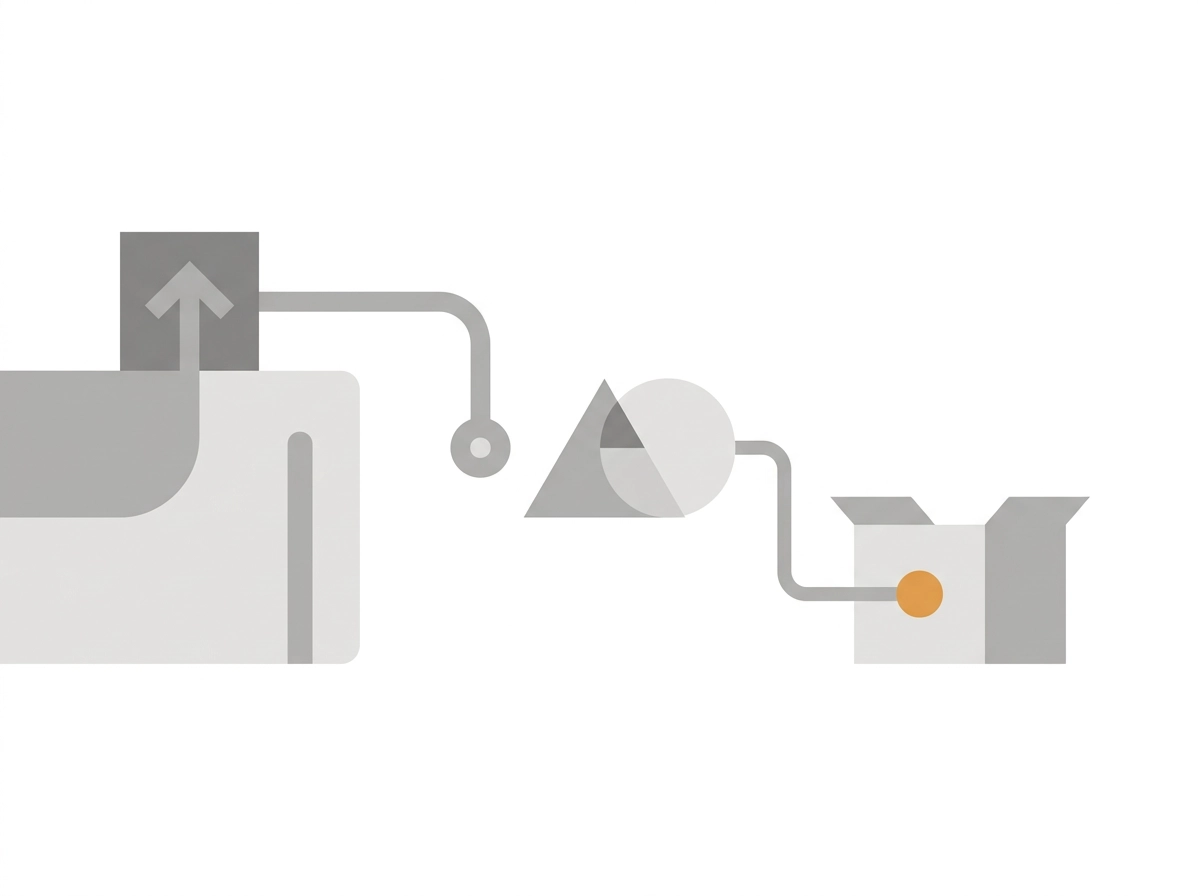
An agency ad account is an advertising account owned by a provider and sub-allocated to you, the client. It sits under the provider's Business Manager or equivalent business portfolio on Meta, TikTok or Google. You get access to the account and run your own campaigns inside it. The provider owns the account layer, handles billing, and manages compliance escalations and replacements.
Because the account lives under an established business portfolio with a history of compliant spend, it typically starts with higher trust and fewer initial restrictions than a self-opened account. That trust translates into higher starting spend limits from day one.
Self-opened Meta accounts typically take 5 to 15 days to reach meaningful spending limits as the platform builds confidence in the account. An agency account, sitting under an established portfolio, often starts above those thresholds immediately. When a campaign is scaling and needs more budget today, that difference is material.
This structure solves three specific problems for UK media buyers. First, a disabled or restricted account that cannot be recovered quickly can be replaced without rebuilding from zero. Second, spending limits that cap a profitable campaign can be avoided from the start. Third, the time normally lost rebuilding account history after a shutdown is eliminated, because the provider supplies a replacement rather than leaving you to start over.
Agency accounts are legitimate advertising infrastructure. Platform policies govern how accounts can be restricted and reviewed, and providers operating in this space manage established Business Portfolios under the same platform terms that govern all business advertisers. This is not a shortcut; it is a managed account layer with a defined ownership structure.
Meta reaches 52 million users across Facebook and Instagram in the UK, with concentrated purchase intent in beauty, fashion, supplements and home goods. For most DTC brands, it is the primary paid social channel by a significant margin.
The cost case for scaling on Meta in the UK is strong. UK CPMs typically run 20 to 30 percent below US equivalents, which means the same budget buys meaningfully more reach. That efficiency only materialises, however, if the account infrastructure can actually support the spend.
Demographically, Facebook performs best with UK buyers aged 35 to 55, while Instagram dominates discovery for the 18 to 35 segment. Both audiences require accounts that run without interruption. A restricted account mid-campaign does not just pause spend, it breaks the delivery pattern the algorithm has built.
That matters more now than it did two years ago. Meta's delivery systems increasingly match ads to audiences based on creative signals rather than manual audience selection. The algorithm learns from account history and live campaign signals. Interrupt that, and the learning resets. Account stability is no longer just an operational convenience; it directly affects delivery quality.
Creative decay compounds the risk. Ad creatives typically lose effectiveness within 5 to 7 days of launch, requiring weekly refreshes. If an account goes down during that window, the momentum and conversion data collected are lost alongside it.
The result is a practical shift in how experienced UK performance marketers think about account access. Increasingly, they treat agency ad accounts as infrastructure, the same way they choose a dedicated server over shared hosting, because the underlying stability affects everything built on top of it.
Not all providers offer the same components, and the gap between them is operational, not cosmetic. Here is what a complete service actually covers.
Account type and trust tier. The account you receive sits under the provider's established business portfolio. Its starting spending limit and review speed reflect that portfolio's age, spend history and compliance record. A provider with a strong, well-maintained portfolio typically delivers accounts that reach useful limits from day one, rather than requiring weeks of gradual escalation.
Platform coverage. Most providers cover Meta (Facebook and Instagram). Fewer offer TikTok and Google under the same billing relationship. If you run campaigns across multiple channels, consolidating under one provider saves significant administrative overhead.
Balance top-up speed. When a campaign is live and scaling, a billing gap that pauses delivery is a direct revenue event. Near-instant top-ups, available through a self-service dashboard, prevent that. A 24-hour processing delay is not the same thing.
Account delivery speed. AdBear delivers accounts within 2 hours; in the broader market, delivery windows vary -- always ask for a specific, written commitment.
Support model. A real person available through a fast channel like WhatsApp handles compliance flags and account restrictions better than a ticket system. Response speed and human judgement both matter when an account is restricted mid-campaign.
Account replacement policy. Ask whether replacement is self-service or requires a manual request, and ask for a specific turnaround time. This is one of the most important differentiators between providers.
Dashboard and reporting access. A proper platform lets you request accounts, track spend, manage top-ups and handle billing in one place, including via mobile apps. Email-only management is a meaningful operational liability.
Contract terms. Month-to-month with no annual lock-in is what buyers should require. Minimum spend requirements and exit processes vary, so confirm both before committing.
As described above, the provider owns the account layer, handling billing, compliance escalations and replacements through their Business Portfolio, with you retaining campaign control inside Ads Manager.
Spending limits are set at the account level. An established Business Portfolio with a strong compliance record typically starts at significantly higher limits than a freshly opened self-managed account. That gap matters when you need to scale a campaign quickly.
Compliance and reviews work the same way for agency accounts as for any other account. Meta's policies apply uniformly. The practical difference is that providers with established platform relationships can often escalate flags faster and have the compliance experience to reduce time to resolution.
Pixel and conversion data can typically be connected to your own Business Portfolio, not the provider's. That means if the account is ever replaced, your conversion history stays intact. Confirm this configuration at the start; do not assume it is the default.
Creative assets, audiences and campaign structures remain in your Ads Manager view. The provider owns the account layer only. Your strategy, creative and targeting decisions are yours.
The key structural risk is Business Portfolio dependency. If the provider's portfolio is affected by a policy action, every account under it can be affected, including yours. Ask any provider directly how client accounts are structured and whether they are isolated from one another. A provider with a clear answer to that question is telling you something meaningful about how their infrastructure is built.
Once you understand the account structure, pricing is the next practical question. The UK market broadly splits into three tiers.
Entry level (typically £299--£500/month) suits buyers at modest scale with single-platform needs, shared support, and standard replacement terms. Mid-market (typically £500--£1,500/month) serves brands at meaningful scale, with faster replacement SLAs, broader platform coverage, and more direct support. Enterprise arrangements (typically £1,500--£3,000+/month) cover high-volume buyers with complex multi-account or multi-platform needs, where dedicated account management and custom terms become relevant.
Five factors explain most of the price difference:
Account quality and trust level, which affects starting limits and review speed
Platform coverage, since Meta-only costs less than Meta plus TikTok plus Google under one relationship
Support model, specifically dedicated account manager versus a shared queue
Replacement SLA, both the speed and whether it is self-service or manual
Infrastructure ownership, covered below
A provider that owns its account infrastructure handles replacements faster and has direct visibility into compliance issues. A reseller adds a margin on top of another provider's service and depends on that upstream provider to resolve problems. The distinction matters most when something goes wrong mid-campaign.
Ask about setup fees, minimum top-up amounts, margins on balance top-ups, charges for additional accounts, and exit terms. These are rarely prominent in marketing materials.
Month-to-month terms with no annual lock-in are what buyers should require. Annual commitments rarely benefit the buyer.
For specific pricing, speak directly with providers and ask them to map their tiers to your current monthly spend and platform mix. That conversation will surface more than any public pricing page. To start that conversation with AdBear, visit adbear.co.
Pricing tells you the tier. These questions tell you whether the service is worth it.
The eight criteria that separate providers in the UK market:
Infrastructure ownership -- does the provider own their accounts or resell from another party?
Account delivery speed -- ask for a specific time, not a range.
Replacement SLA -- is it self-service or a manual request, and how long does it take?
Support quality -- real humans or a ticket queue, and how fast during UK hours?
Top-up speed -- how long from payment confirmed to balance live in the account?
Contract terms -- month-to-month or locked in, and what does exit look like?
Multi-platform coverage -- Meta, TikTok and Google under one roof, or Meta only?
Compliance experience -- can they handle your vertical if it carries elevated platform scrutiny?
Ask every provider the same questions and compare the specificity of answers. Vague responses signal operational capability, not just communication style.
Start with the most direct question: does this provider own the accounts they allocate, or are they sourcing from a third party and adding a margin?
Infrastructure owners manage the relationship with the platform directly, giving them faster replacement turnaround, more consistent account quality, and clearer visibility into compliance issues. They know the account history because they built it.
Reseller models are not automatically a problem, but they introduce dependency. If the upstream provider has a billing issue, a policy action, or a technical failure, your accounts are affected. Your support contact may not know why, and may not have authority to fix it.
The practical test is simple. Ask the provider: what happens to my account if your own Business Portfolio is flagged or restricted? A direct infrastructure owner will answer clearly, explaining how accounts are structured and isolated. A reseller will often respond vaguely, because the honest answer depends on a supplier they do not control.
Account ownership in manager account structures is transitive: control chains upward. Knowing where your provider sits in that chain is not a technical detail, it is an operational risk question.
Speed matters in three specific situations: a campaign ready to launch today, a live account that just got restricted, and a scaling decision that needs capacity now, not next week. Every day without a working account costs money.
As noted above, self-opened accounts typically take 5 to 15 business days to reach useful spending limits, while AdBear delivers within 2 hours -- a gap that is material when momentum is at stake.
Ask for a specific delivery time in writing. Not a range, a number. A provider with a reliable process can give you one. Vague answers like "usually within a few days" signal either operational inconsistency or a reluctance to be held to a standard.
Also ask whether that delivery time applies to all platforms, all account types, and all hours of the day. A 2-hour claim means something different if it only applies during business hours on weekdays, or only to certain account tiers. A confident provider will clarify the conditions without prompting.
Delivery speed gets you into the account. Replacement policy keeps you running when something goes wrong.
This is one of the most important differentiators between providers and one of the least clearly explained in their marketing. Ask for the specific replacement SLA in writing before you sign anything.
Questions to ask on the request process:
Is replacement self-service through a dashboard, or do you need to raise a ticket and wait for manual action?
How long from request to a working replacement account in Ads Manager?
Does that timeframe apply 24/7 or only during business hours?
Pre-warmed versus fresh accounts is a practical distinction worth understanding. A pre-warmed account has existing spend history under an established portfolio. It typically reaches useful daily limits faster than a brand-new account starting from zero. Ask which type the provider supplies as standard.
Replacement limits and charges are a common hidden cost. Some plans cap the number of replacements per month. Others treat each replacement as a billable event. Confirm both before signing.
The most useful question you can ask is this: describe the last time a client account was disabled and walk me through exactly what happened next. A provider with genuine operational capability will answer that in concrete steps, with timings. Vague or generalised answers are a signal about what you will experience when your account goes down at 11pm on a Friday.
Once you have confirmed the replacement process, shift your attention to how the provider handles everything else that can go wrong mid-campaign.
Support for agency ad accounts is a different category from general customer service. The situations that matter are compliance flags, restricted accounts, billing failures and unexpected account behaviour while a campaign is live. These are time-sensitive, and a ticket system with a 24-hour response window is not adequate for any of them.
Ask two questions upfront. First, does day-to-day support run through a real person or an automated system? Second, what is the typical response time during UK business hours? A provider confident in their support model will give you a specific answer, not a range.
Escalation path matters as much as first response. When the first contact cannot resolve an issue, ask what happens next. Is there a direct line to someone with compliance authority or platform access? Providers with genuine infrastructure ownership typically have this. Resellers often do not.
On support channels, WhatsApp and direct messaging are faster than email ticketing for anything urgent. Ask which channel the provider uses and whether it is staffed by humans. At AdBear, support runs through a dedicated WhatsApp Business line backed by a real operations team, not a bot.
Finally, ask about time zone coverage. If your campaigns run overnight or across multiple markets, confirm whether support is available outside standard UK hours and what the response commitment is.
Support quality gets you through a crisis. Billing mechanics determine whether the crisis happens in the first place.
A campaign pausing because of a failed payment or a slow top-up is a direct revenue event, not an inconvenience. It is also preventable, which makes it worth scrutinising before you sign with any provider.
Ask how top-ups work in practice. Specifically: do you initiate them through a dashboard, is there a minimum top-up amount, and how long does it take from payment confirmation to the balance being live in the account? Those three questions will tell you most of what you need to know.
Near-instant top-ups matter operationally. A 24-hour delay on a campaign scaling on a tight daily budget can break momentum that took weeks to build. With AdBear, top-ups reflect in the account without meaningful delay, which means campaigns keep running through the recharge cycle.
Payment method affects speed. Wire transfers typically settle slower than card payments or wallet-based systems. Ask which methods the provider accepts and which is fastest. If wire transfer is the only option, factor the processing window into your planning.
Finally, ask directly whether any margin or fee is applied to top-up amounts. This is a common hidden cost that rarely appears in marketing materials. Get a clear answer before you commit.
Billing terms and contract terms carry the same operational weight. A hidden lock-in can cost more than a slow top-up.
Month-to-month terms are the baseline to require (see pricing section above); before signing anything, ask four specific questions: what is the minimum commitment period, are there setup fees, how much notice is required to exit, and are unused funds returned when the account closes. Each of these has a clear answer if the provider has clean terms. Vague responses are a signal.
Minimum monthly spend requirements vary between providers. Ask what happens if your spend drops below the minimum during a slow period. Some providers apply penalties or suspend service; others are flexible. For e-commerce brands with Q1 quiet periods after peak season, this is a practical concern, not a theoretical one.
Watch for charges that appear after you have signed: separate fees for onboarding, for accessing the dashboard, or for features described as standard in the sales conversation. Ask for a written list of what is and is not included before you commit.
Finally, ask whether you can pause the service without cancelling entirely. A pause option is worth confirming in advance rather than discovering its absence when you need it.
Contract terms tell you whether you can exit cleanly. Platform coverage tells you whether the service fits how you work.
Most UK performance marketers run campaigns on at least two platforms simultaneously. Managing separate billing, account requests and support contacts for Meta, TikTok and Google adds friction. A provider covering all three under one account simplifies that significantly.
Ask which platforms are covered natively. Native coverage means the provider owns and manages those accounts directly. Some providers cover Meta natively but fulfil TikTok or Google accounts through a third party. Replacement SLAs and support quality may differ across platforms, and your contact may have less visibility into problems on platforms they do not own.
Dashboard access changes the operational experience. A self-service platform where you can request accounts, top up balances, track spend and manage billing in one place removes the need to raise a support ticket for routine tasks. That time saving compounds across a busy month.
Ask specifically about mobile app access. Problems rarely happen at convenient moments. Being able to request a replacement account or top up a balance from a phone, outside office hours, is practically important. AdBear provides both a web dashboard and iOS and Android apps for exactly this reason.
For reporting, ask whether the dashboard shows spend by account, by platform and by date range. Agencies managing multiple client accounts need consolidated visibility. A dashboard requiring manual reconciliation across separate views adds unnecessary work.
Platform and dashboard considerations are one piece of the picture. The regulatory environment your campaigns operate in is another, and providers handle it very differently.
UK advertisers operate under UK GDPR, ASA advertising standards, and, for certain verticals, FCA financial promotion rules. Each layer affects what you can advertise, how you can target, and what your landing pages must say. These are your obligations, not your provider's, but a provider with experience in your vertical will flag issues before they become account restrictions.
Vertical experience matters. Finance, supplements, crypto and weight-loss products all sit in categories with elevated platform scrutiny. Ask any provider directly whether they have active clients in your vertical. A vague answer suggests they do not.
Compliance pre-screening is available from some providers, meaning they review your ad creative or landing page before the campaign goes live to reduce the likelihood of a policy flag. Ask whether this is offered and whether it is included or charged separately.
Compliance flags versus technical restrictions require different responses. A technical restriction is typically resolved by account replacement. A compliance flag may require creative changes, additional documentation, or a formal appeal. Ask how the provider distinguishes between the two and what their process is for compliance-related flags specifically.
Post-Brexit divergence is a practical concern if you run campaigns targeting both UK and EU audiences. UK GDPR and EU GDPR have developed separately since 2021, particularly around international data transfers. If you manage cross-border campaigns, ask whether your provider is aware of any compliance considerations this creates at the account level.
Once you have worked through the compliance and regulatory questions, use everything in this guide as a live script for the provider conversation, not a post-signing audit.
Use the eight-criteria framework above as your live script, then assess each provider against the following signals.
Red flags to watch for:
Vague descriptions of account structure, with no clear explanation of where the accounts sit or how they are isolated
Inability to describe the replacement process step by step
Pressure to sign an annual contract without a clear reason
Reluctance to discuss fees or costs beyond the headline rate
Green flags:
A specific delivery time, not a range
A clear explanation of the infrastructure they own directly
A self-service dashboard for account requests, top-ups and reporting
Direct human support through a fast channel, such as WhatsApp
AdBear works with UK media buyers through a direct WhatsApp conversation. Accounts on Meta, TikTok and Google are typically delivered within 2 hours. Top-ups are near-instant. Support runs through a dedicated WhatsApp Business line staffed by a real operations team, not a ticket queue. Start at adbear.co to open the conversation.
Once you have chosen a provider and are ready to move, understanding what travels with you and what does not will save time and prevent data loss.
Your pixel and conversion datasets are portable, but only if you own them. If your Meta Pixel and conversion datasets sit inside your own Business Portfolio, you can connect them to a new agency ad account immediately. If they are held inside the provider's Business Portfolio, portability is not guaranteed. Confirm ownership before you start with any provider, not after you decide to leave.
Custom audiences follow the same rule. Audiences built from your pixel data remain accessible as long as the pixel is in your own portfolio.
Campaign structures do not transfer automatically. Ads, ad sets and campaigns are tied to the account itself. You will need to recreate or copy them into the new account. This is straightforward but takes time, so factor it into your migration plan.
Expect a short gap in conversion attribution when the new account goes live. The pixel will continue firing, but attribution to the new account takes a brief period to stabilise. Schedule transitions during low-traffic windows, such as mid-week or outside peak sale periods, to reduce the impact.
Ask the new provider whether they can run parallel accounts during migration. Running both accounts simultaneously for a short overlap period means campaigns keep spending while you rebuild structures in the new account, with no forced pause.
Once your data portability is confirmed, the decision comes down to execution.
Agency ad accounts solve three distinct problems: account restrictions, low spending limits and slow recovery after a shutdown. Most providers market on the first. Evaluate them on all three.
Apply the eight criteria covered above to every provider you speak to and compare how specific their answers are. Vague process descriptions are operational signals, not just communication style.
Confirm before you commit that your pixel and conversion datasets are owned by your own Business Portfolio -- that single configuration check protects your data regardless of what happens at the account layer.
The practical next step: ask providers the same questions from this guide and score them on the specificity of their answers. A provider who can describe their replacement process step by step, give you a firm delivery time and show you the dashboard before you sign is demonstrating operational confidence, not just sales capability.
To evaluate AdBear for your UK campaigns, visit adbear.co to open a WhatsApp conversation directly with the team.

.svg)